Actinic Keratoses Ryton on Dunsmore Management: Effective Strategies and Tips
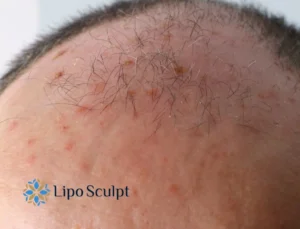
Key Highlights To Manage Actinic Keratoses Ryton on Dunsmore
- Actinic keratoses, also called solar keratoses, are rough and scaly patches on the skin. This happens after many years of sun exposure.
- It is very common, especially for people with light skin. You will usually find it in areas that get a lot of sunlight. These include the face, ears, and hands.
- Most actinic keratoses are not harmful, but some can change into a type of skin cancer called squamous cell carcinoma.
- There are several treatment options. These may include topical creams, cryotherapy (freezing), or photodynamic therapy.
- Prevention is critical. You can protect yourself by using sunscreen, wearing protective clothing, and avoiding prolonged sun exposure.
| Benefit | Description |
|---|---|
| Highly Precise Targeting | CryoPen® delivers a focused jet of nitrous oxide to frost only the lesion, sparing surrounding healthy skin. |
| Fast & Convenient Procedure | Treatment per lesion takes only seconds, and the entire session usually lasts under 5 minutes. |
| No Anaesthetic or Incisions | No needles, no cutting, no sutures—typically no anaesthesia required. |
| Minimal Discomfort & Pain | Most patients experience a brief stinging sensation during or immediately after treatment, which typically subsides quickly. |
| Low Risk of Scarring | Minimal to no visible scarring; pigment changes are rare and usually temporary. |
| No Downtime | Patients typically resume normal activities immediately after treatment. |
| Effective Clearance Rates | Cryosurgery for AKs clears approximately 67–99% of lesions, depending on the freeze depth and technique used. |
| Well‑Tolerated & Safe | Considered very safe; infection risk is low since the treatment is sterile and non‑invasive. |
| Improved Cosmetic Outcome | High-rated cosmetic results in ~94% of lesions; healthy skin regenerates cleanly over the treated area. |
Introduction To Actinic Keratoses Ryton on Dunsmore
Actinic keratoses are dry and bumpy areas on the skin. They form after you spend a lot of time in the sun’s UV rays. These skin lesions are precancerous, meaning they can progress to squamous cell carcinoma. Actinic keratoses often appear as small, rough patches on sun-exposed skin.
What are the physical drawbacks of Actinic Keratoses Ryton on Dunsmore
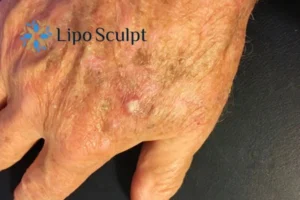
One main issue with actinic keratoses is their appearance. The lesions are rough and scaly patches. They can be pink, red, or brown. Many people report feeling like sandpaper. Some individuals are uncomfortable with how these patches appear, especially when they appear on visible areas such as the face or hands.
Actinic keratoses lesions can do more than change how your skin looks. They might feel itchy, burn, or sting in the areas where they appear. Sometimes, these lesions can bleed or develop scabs. This discomfort, along with the risk of these lesions leading to skin cancer, highlights the importance of finding and treating them early.
See our prices for treatment here!
How does Actinic Keratoses Ryton on Dunsmore impact someone’s life?
Understanding Actinic Keratoses Ryton on Dunsmore
Actinic keratoses mean your skin has been damaged by the sun. When your skin gets too much ultraviolet (UV) rays for several years, the DNA in skin cells can start to change. This change leads to strange growth. You may notice rough and scaly patches on your skin. Although actinic keratoses are usually not harmful, they can become squamous cell carcinoma if you do not treat them.
It’s good to know that not all sun-damaged skin causes cancer. However, if you have actinic keratoses, your risk is higher. Finding and treating this issue early can help you manage it well and lower the chance of getting skin cancer.
Definition and Overview of Actinic Keratoses Ryton on Dunsmore
Actinic keratoses, or solar keratoses, are rough and scaly patches that appear on the skin. They result from excessive sun exposure over the years. This common skin condition is linked to damage from ultraviolet (UV) rays. Actinic keratoses are precancerous, meaning they can progress to squamous cell carcinoma.
These spots usually appear on skin exposed to the sun. It includes the face, ears, scalp, neck, forearms, and hands. They might feel rough like sandpaper, even if you can’t see them well. Most actinic keratoses are not harmful, but it’s crucial to find and treat them early. Doing this can help prevent them from progressing to squamous cell carcinoma.
Squamous cell carcinoma is usually treatable when found early. This is why knowing about actinic keratoses is essential. You should recognise their appearance and get medical help fast if necessary. It is key to managing this skin condition.
Causes and Risk Factors of Actinic Keratoses
The primary cause of actinic keratoses is excessive sun exposure. It’s not just one sunburn that leads to this issue. What counts is being exposed to the sun’s UV rays repeatedly over a long time.
Anyone can get actinic keratoses, but some people are more likely to have them. Those with fair skin, light hair, and blue or green eyes have a higher risk. Their skin has less melanin. Melanin is the pigment that protects the skin from UV damage.
Other risk factors include being older than 40, a weakened immune system, a history of sunburns, living in sunny areas, and frequent use of tanning beds. It is essential to know these risk factors. When you understand them, you can take steps to prevent actinic keratoses. If necessary, you can also seek medical help early.
Identification and Symptoms
Over time, the patches may increase in size and change colour from pink to reddish-brown. It’s important to know that actinic keratoses can feel tender. It may also itch, burn, or bleed. If you notice any of these signs, you should seek medical help.
Visual Characteristics of Actinic Keratoses Ryton on Dunsmore
Actinic keratoses show up as tiny spots on the skin that can be hard to notice. It’s important to know what signs to watch for. These skin lesions often start as small, scaly patches. They may feel rough, like sandpaper, and can be flat or slightly raised. Their colours can be pink, red, or brown.
Solar keratoses, also known as solar keratoses, typically appear in areas with high sun exposure. You can usually find it on the face, ears, scalp, neck, back of the hands, and forearms. These spots can sometimes develop a yellow or brown crust. They may even resemble a horn.
It is essential to check your skin regularly for any unusual changes. If left untreated, actinic keratoses may progress to squamous cell carcinoma. Finding and treating it early can reduce the risk of further complications.
Common Areas Affected
Actinic keratoses usually show up on body parts that get a lot of sun exposure. These parts include the face, such as the forehead, nose, cheeks, and lips. It is also common on the tops and edges of the ears. Sun damage often affects the scalp too, especially in people with thinning hair or bald spots.
The back of the neck often receives significant sun exposure. This can lead to actinic keratoses. The forearms and backs of the hands are also frequent areas for this condition. This is especially common for people who spend a lot of time working outdoors.
If you spend a lot of time in the sun, it’s crucial to shield your skin. Make sure to use sunscreen and wear clothing that covers your body. Look for shade when possible. It’s equally important to check your skin often and see your primary care provider or dermatologist.
Diagnostic Approaches
Diagnosing actinic keratoses often begins with a skin exam by a dermatologist. The doctor examines the affected skin. They pay attention to its texture, colour, and location on the body. Sometimes, they use a small device called a dermatoscope. This device provides a clearer view of the lesion’s details.
Medical Examinations and Tests
The diagnosis of actinic keratoses usually starts with a clinical exam. A dermatologist or a general doctor who knows about skin problems can often spot actinic keratoses just by looking and feeling them. They may use a dermatoscope. This small tool helps them see the spots up close.
If the doctors are unsure, they may do a biopsy. This involves taking a tiny piece of the affected skin. They will send this sample to a lab for examination under a microscope. A biopsy helps distinguish actinic keratoses from other skin conditions, such as squamous cell carcinoma, basal cell carcinoma, or warts.
The results from these tests and exams help doctors create the best treatment plan. Finding actinic keratoses early is significant. If it is addressed promptly, it can prevent serious problems. For reliable information, visit the Primary Care Dermatology Society (PCDS) and other similar groups.
When to See a Doctor
Actinic keratoses are a common skin condition. If you notice any warning signs, you should see a doctor. If you have a scaly patch on your skin that is thick or feels different, don’t wait. Consult a doctor as soon as possible. It’s a good idea to get checked early, especially if you have several scaly patches.
If you see a scaly patch that changes quickly in size, colour, or shape, visit a doctor immediately. You should also see a doctor if you notice any unexplained bleeding or sores in that area that do not heal. These could be signs of a more serious issue, such as skin cancer.
Treatment Options Available in Ryton on Dunsmore UK

The way to treat actinic keratoses relies on how big the spots are, where they are on the skin, and how many you have. Sometimes, simply monitoring your skin is sufficient. Still, most doctors recommend treating actinic keratoses. This is important because it can help prevent them from turning into squamous cell carcinoma.
There are several good treatment options. Some of these are topical medications, such as fluorouracil cream and imiquimod cream. These creams help remove abnormal cells. Other methods, such as cryotherapy and photodynamic therapy, are also used to eliminate the lesions.
Cryopen to remove Actinic Keratoses Ryton on Dunsmore
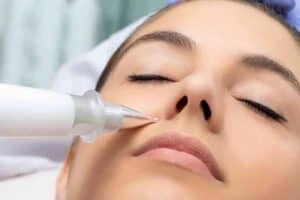
CryoPen offers a highly effective solution for treating actinic keratoses, delivering impressive results in as few as one to two treatments. Using advanced cryotherapy technology, it precisely targets the affected area, eliminating damaged skin cells without harming the surrounding tissue.
According to research published in 2005, cryosurgery is the most commonly used and preferred treatment for actinic keratoses, making it a leading option for removing these precancerous skin lesions. CryoPen allows you to achieve clear, healthy skin without surgery and with almost no downtime. It is the most effective option to eliminate precancerous lesions while providing you with comfort every step of the way. Goodbye, actinic keratozy confidently!
Topical Treatments and Their Efficacy
Topical treatments are a standard and effective option for treating actinic keratoses. One option is fluorouracil cream. This is a chemotherapy medication that you apply to the affected skin. It causes inflammation and destroys damaged skin cells. Another choice is imiquimod cream. This cream helps your immune system identify and eliminate damaged skin cells.
These treatments work in different ways and have different schedules. Fluorouracil cream is typically applied to the skin once or twice daily for several weeks. Imiquimod cream can be used several times each week for a set period. Your dermatologist will decide the best treatment plan based on the severity of your skin lesions and their location.
Topical treatments are effective but may cause side effects. You might experience redness, itching, burning, and flaking for a short time. Usually, these side effects go away after you finish the treatment. If you feel uncomfortable, tell your dermatologist. They can change the treatment if needed.
Procedural Interventions – Cryotherapy in Ryton on Dunsmore UK
Cryotherapy, also known as freezing, is a quick and popular treatment for actinic keratoses. It applies liquid nitrogen to the area affected. This method freezes and destroys the skin cells that need to be treated. Afterwards, your skin might blister and peel for several days. This will reveal healthy, new skin.
This treatment typically takes only a few minutes. You can address multiple areas in a single visit. Most people feel fine after it. The side effects are often mild and short-lived. They may experience some discomfort during or after treatment, along with redness, blistering, and temporary changes in skin colour.
Cryotherapy works well for treating one or a few actinic keratoses lesions. However, it may not be the best choice for larger or more widely distributed lesions. In these cases, other options, such as topical treatments or photodynamic therapy, may be more suitable.
Prevention Strategies
Excessive sun exposure is the leading cause of actinic keratoses. It is essential to take steps to reduce this risk. A good way to do this is by staying out of the sun. This is especially important during peak hours from 10 am to 4 pm, when the sunlight is the strongest.
Sun Protection Measures

Speak to our Ryton on Dunsmore team today!
Regular Skin Screenings
Regular skin checks are essential for early detection of skin cancer. This includes cancer that can develop from actinic keratoses. If you have spent a lot of time in the sun, especially if your skin is fair, you should be more cautious. Finding issues early helps you receive treatment on time. This can boost your chances of success.
Doing a monthly skin self-check can help you spot any new or changing moles or unusual marks on your skin. When you check, examine all parts of your body. This means looking at your scalp, palms, soles, and the spaces between your toes. It is also essential to see a dermatologist for a professional skin exam annually. This is especially important if you are at higher risk of skin cancer.
Most people learn they have skin cancer when they are around 65 years old. However, this type of cancer can happen to anyone at any age. That’s why it’s essential to take good care of your skin and have regular check-ups, no matter your age or risk factors. Remember, early detection of skin cancer is key. It helps deliver better treatment and healthier outcomes, especially for conditions such as basal cell carcinoma.
Can actinic keratoses lead to cancer?
Yes, actinic keratoses can turn into a type of skin cancer known as squamous cell carcinoma. This type can occasionally spread to other areas. The risk is low, but it is crucial to seek early treatment for actinic keratoses to prevent progression.
How often should Ryton on Dunsmore be screened for actinic keratoses?
People with actinic keratoses should speak to their dermatologist. They need to determine how often they should be screened. The dermatologist will examine several factors. This includes the number of lesions the person had before. They will also consider the risk of skin cancer and the individual’s overall health. This helps create a personalised plan. Regular check-ups and adequate sun protection can lower the risk of skin cancer. They also help maintain a good quality of life.
Book An Online Consultation Today!